

- Genre:biography & autobiography
- Sub-genre:Medical (incl. Patients)
- Language:English
- Pages:252
- eBook ISBN:9798317823405
Book details
Overview
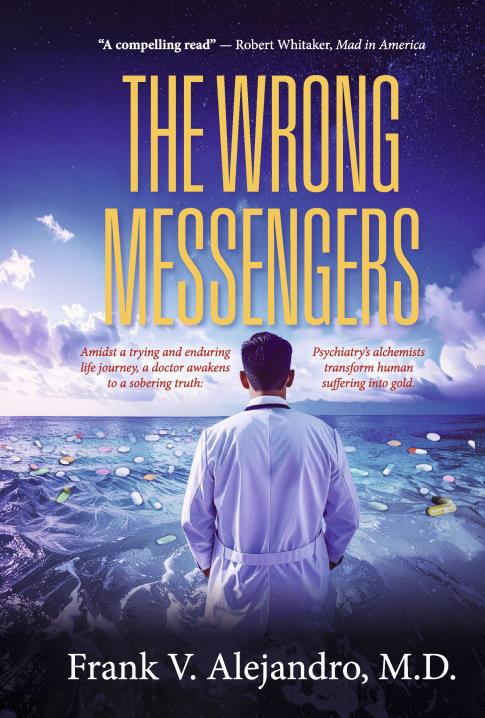
This memoir interweaves the rise of the second psychopharmacology revolution—heralded by the arrival of Prozac—with the lived experience of a physician who, after first encountering psychiatric drugs while serving as a military doctor, spent decades battling depression, anxiety, and the very medications prescribed to treat him.
From a deeply personal and well-informed perspective, the author exposes the flaws of modern psychiatric treatment and the enduring myth of the "chemical imbalance" theory of depression. What emerges is both a critique of psychiatry's misplaced promises and a sobering reminder of the irony at its core: Psychiatric drugs rarely address the true causes of mental illness, frequently inflict lasting harm, and have fueled a gold rush for pharmaceutical companies and the psychiatric establishment.
Although not classified as "drugs of abuse" in the traditional sense, nearly all psychiatric drugs carry addictive properties by inducing adaptive changes in the brain and body, producing painful withdrawal symptoms when discontinued. Research shows that between 50 and 80 percent of patients stopping antidepressants without tapering experience withdrawal, and in half of these cases, the symptoms are severe. With benzodiazepines, the ordeal is even harsher—sudden cessation or rapid tapering can provoke an almost unbearable torment the author has termed "Benzo bends," likening it to the excruciating agony of divers who ascend too quickly to the surface.
Yet this is more than a story of suffering. Enriched with poignant, sometimes humorous anecdotes—including a deeply personal account of electroshock therapy—it captures both the painful struggles and the resilience of those navigating psychiatric treatment. Ultimately, it recounts a decades-long journey toward liberation from antidepressants and other psychiatric drugs—offering readers not only a cautionary tale, but also a message of vigilance, empowerment, and hope.
Read moreDescription
This autobiographical chronicle intertwines the rise of the second psychopharmacology revolution—spearheaded by the antidepressant Prozac—with the life journey of a physician who, after a first encounter with psychiatric drugs while serving as a military doctor, struggles for decades with depression, anxiety, and the very medications prescribed to treat him. What emerges is a candid, deeply personal, and well-informed perspective on the flaws and dangers of modern psychiatric treatment models and on the false narrative of the "chemical imbalance" or serotonin-deficiency theory of depression.
This memoir stands as a testament to the profound irony that (1) psychiatric drugs consistently fail to address the root causes of mental illness and instead inflict long-term harm, and (2) the psychiatric revolution of the last four decades has been driven less by genuine scientific discovery than by the financial interest of pharmaceutical companies and the psychiatric establishment—psychiatry's modern-day gold rush.
Although psychiatric drugs are not classified as "drugs of abuse" in the same sense as cocaine or heroin, nearly all of them carry addictive potential. They alter the brain and body in ways that lead to painful withdrawal symptoms when discontinued. Research shows that between 50 and 80 percent of patients experience withdrawal when stopping antidepressants without gradual tapering; in half of those cases, the symptoms are severe. With benzodiazepines, the ordeal is even harsher—sudden cessation or rapid tapering can provoke a nearly unbearable agony, eerily similar to stopping a street drug "cold turkey." To capture this torment, Dr. Alejandro coined the phrase "Benzo Bends"—a metaphor drawn from the excruciating pain suffered by divers who ascend too quickly to the surface.
The narrative is not only about suffering. From beginning to end, the story is abundantly enriched with inspiring, endearing, and even lighthearted anecdotes. These vignettes lend depth and humanity, balancing the painful struggles with moments of warmth, humor, and resilience.
Spanning decades, this journey through the troubled waters of antidepressants and other psychiatric treatments—including electroshock therapy—and Dr. Alejandro's eventual extrication during his golden years offers both a cautionary tale and a beacon of hope. It sheds light on the hidden peril of "modern" psychiatric practices and underscores the urgent need for patients with mental health challenges to remain vigilant, informed, and empowered when seeking psychiatric treatment.
Read more