

- Genre:philosophy
- Sub-genre:Movements / Phenomenology
- Language:English
- Pages:208
- Hardcover ISBN:9798990702646
Book details
Overview
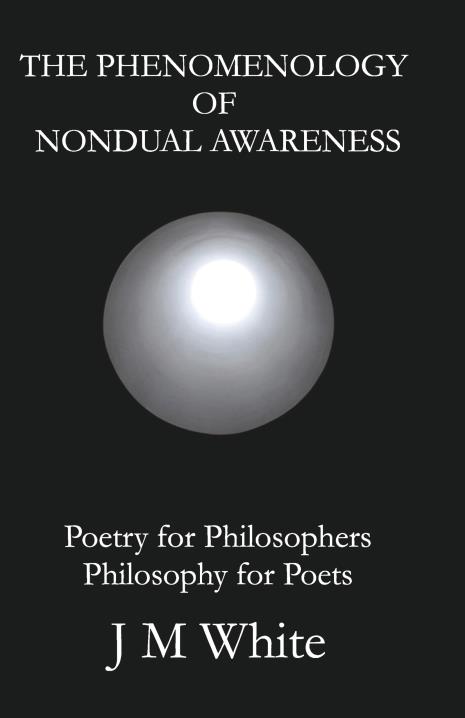
The Phenomenology of Inner Freedom is Volume II of a trilogy of Poetry for Philosophers Philosophy for Poets. Volume I was titled The Phenomenology of Nondual Awareness and Volume III will be the Phenomenology of Meaning-Making. All these books use the basic phenomenological method to look into the mind. This volume outlines the principles of inner freedom and how the struggle for freedom involves more than freedom of movement or freedom of speech. Outer freedoms are difficult to obtain and difficult to maintain, gaining the citadel of inner freedom is even more difficult. The price of inner freedom is the recognition that all people have the same right to freedom. The search for inner freedom opens to the awareness of the basic human nature inherent in each person. This shifts the center of gravity of the self toward the selfness common to all. Then you have the inner freedom to see yourself as just another human and are on the path of freedom from your own habits and inhibitions. This involves seeing from the point of view of the selfness of all people rather than from the point of view of your own self.
Read moreDescription
The Phenomenology of Inner Freedom is Volume II of a trilogy of Poetry for Philosophers Philosophy for Poets, Volume I was titled The Phenomenology of Nondual Awareness and Volume III will be the Phenomenology of Meaning-Making. All these books use the basic phenomenological method to look into the mind. This volume outlines the principles of inner freedom and how the struggle for freedom involves more than freedom of movement or freedom of speech. Outer freedoms are difficult to obtain and difficult to maintain, gaining the citadel of inner freedom is even more difficult. The price of inner freedom is the recognition that all people have the same right to freedom. The search for inner freedom opens to the awareness of the basic human nature inherent in each person. This shifts the center of gravity of the self toward the selfness common to all. Then you have the inner freedom to see yourself as just another human and are on the path of freedom from your own habits and inhibitions. This involves seeing from the point of view of the selfness of all people rather than from the point of view of your own self. Freedom is fragile. The outer freedoms granted by democracy can descend into oligarchy, demagogues exploit free speech and use elections as a pretense to usurp power. The struggle for freedom teaches us to see patterns and learn from the past. A hundred years ago fascism spread across Europe, now it is on the rise in America and around the world. Time gets out of joint, we thought it could never happen again. Freedom is hard won, it never comes easy, it must be learned and earned and bears great responsibilities. We are conscious of our actions but not their causes. The principles that guide us are hidden from everyday awareness. When self-reflection penetrates this veil a higher freedom comes into view with new standards of judgement that are not libertine or egotistical, just the opposite, when decisions spring from inner freedom it reveals our basic human nature and our actions take into account the welfare of all people.
Read more