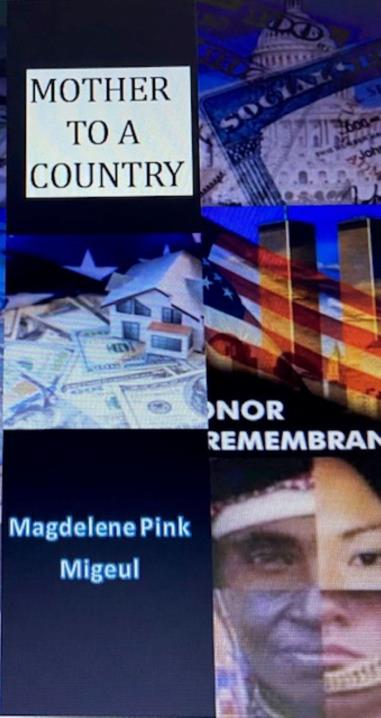
- Genre:political science
- Sub-genre:American Government / General
- Language:English
- Series Title:Cancer or Weaponization
- Series Number:2
- Pages:200
- eBook ISBN:9798905048760
Book details
Overview
Defining the term "weaponize" refers to the strategic manipulation or transformation of information, institutions, or social issues into tools for gaining political advantage.
This could involve exploiting existing laws, harnessing social media algorithms for disinformation campaigns, or turning otherwise neutral or benign elements of governance into divisive issues for the purpose of delegitimizing opponents or rallying a base.
Clear presentation of Weaponization of Everything is a clear, accessible guide to how modern conflict has expanded far beyond traditional warfare, using everything from sanctions and cyberattacks to crime, law, and culture as weapons.
The "Anti-Weaponization Fund" is a controversial $1.776 billion initiative introduced by the Trump administration's Department of Justice (DOJ) in May 2026 and subsequently halted or heavily restricted by late September 2026 following intense legal challenges and bipartisan congressional pressure.
Read moreDescription
The "Anti-Weaponization Fund" is a controversial $1.776 billion initiative introduced by the Trump administration's Department of Justice (DOJ) in May 2026 and subsequently halted or heavily restricted by late September 2026 following intense legal challenges and bipartisan congressional pressure.
The fund was established by Acting Attorney General Todd Blanche as part of a settlement agreement resolving a federal lawsuit brought by President Donald Trump against the Internal Revenue Service (IRS) over leaked tax returns. Instead of awarding monetary damages directly to Trump, the settlement directed $1.776 billion from the federal Judgment Fund—a permanent congressional appropriation used to resolve lawsuits against the government—into a specialized compensation fund.
Legal Controversies and Current Status
The creation of the fund ignited immediate backlash from legal scholars and lawmakers:
Constitutional and Statutory Concerns: Legal experts argued the structure circumvented Congress's power of the purse and potentially violated the Anti-Deficiency Act. In August 2026, U.S. District Judge Kathleen Williams heavily criticized the foundation of the fund, stating that the underlying lawsuit was used for an "improper purpose" to manufacture a settlement lacking a viable basis in law.
The Administration Backs Down: Amid intense scrutiny and pushback from Republican congressional leadership, Todd Blanche testified before a House appropriations subcommittee on September 29, 2026, stating, "We're not moving forward with the fund, period."
Ongoing Judicial Skepticism: Despite the administration's declarations that the fund is defunct, federal judges have refused to dismiss ongoing lawsuits challenging its legality. On September 18, 2026, U.S. District Judge Leonie Brinkema noted that the core issues remain "alive and kicking" and ordered the DOJ to turn over all internal communications regarding how the fund was initially conceived.
Core Purpose and Intended Function
The original framework of the fund was designed to:
Compensate Targets of "Lawfare": Issue formal apologies and monetary relief to individuals who claimed they were wrongfully investigated, prosecuted, or financially ruined by federal agencies under previous administrations.
Cover Legal Fees and Losses: Target relief toward those facing high legal fees, bankruptcy, or wrongful imprisonment, which critics argued was a mechanism to reimburse political allies and January 6 rioters.
Operate via a Board: Be managed by a five-member board appointed by the Attorney General to review voluntary submissions before sunsetting by December 1, 2028.
Read more