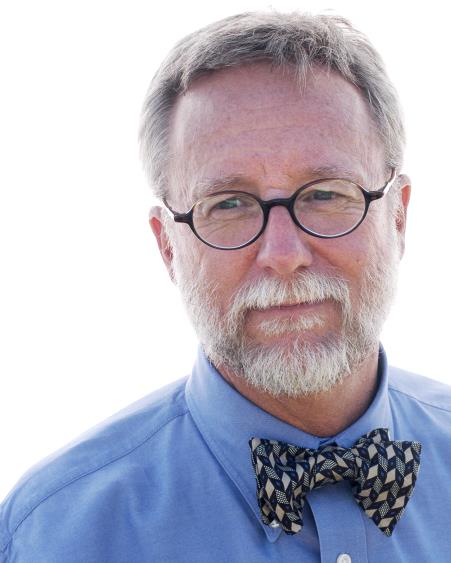
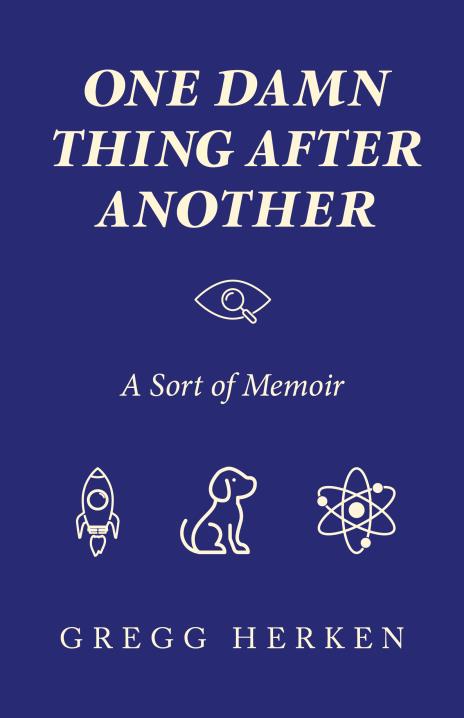
Gregg Herken is an Emeritus Professor of History at the University of California, Santa Cruz. He was also a member of the Founding Faculty at the University’s newest campus, in Merced, California, which opened in 2003. Since 2010, he has been a Senior Fellow at Middlebury University’s Institute of International Studies in Monterey, California.
Herken received a Ph.D. in modern American diplomatic history from Princeton University in 1974, and subsequent taught at Oberlin College, Yale University, Caltech, and two campuses of the University of California. From 1988 to 2003, he was a senior Historian and the Curator of Military Space, as well as Chairman of the Department of Space History at the Smithsonian Institution’s National Air and Space Museum in Washington, D.C.
Herken served as an Intern Analyst on the Soviet Internal Affairs desk of the Central Intelligence Agency in 1971, and in 1994-95 was detailed by the Smithsonian to serve as a Senior Research and Policy Analyst for President Clinton’s Advisory Committee on Human Radiation Experiments, at the request of the U.S. Department of Energy.
Herken is the author of five books: The Winning Weapon: The Atomic Bomb in the Cold War (Knopf, 1981); Counsels of War (Knopf, 1985); Cardinal Choices: Presidential Science Advising from Roosevelt to Reagan (Oxford, 1992); Brotherhood of the Bomb: The Tangled Lives and Loyalties of Robert Oppenheimer, Ernest Lawrence, and Edward Teller (Henry Holt, 2002), and The Georgetown Set: Friends and Rivals in Cold War Washington (Knopf, 2014). Brotherhood of the Bomb was a finalist for the 2003 Los Angeles Times Book Prize in History.
Gregg Herken was born in Richmond, California, on May 23, 1947. He is married to Linda Aven Switzer of Needham, Massachusetts. They have one son, Benjamin. The couple live in Santa Cruz, California.
5/23/2022