

- Genre:science
- Sub-genre:Environmental Science
- Language:English
- Pages:56
- eBook ISBN:9798317842826
- Paperback ISBN:9798317842819
Book details
Overview
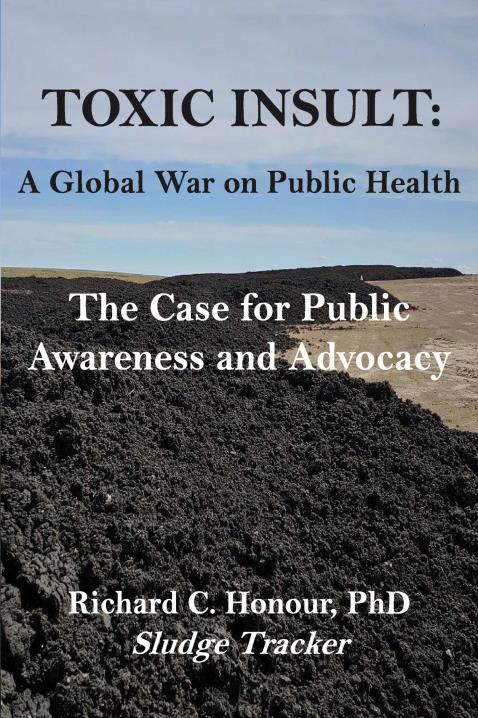
The Author's inquiries into the exposure of Humans and our Living Environment to Toxics and Infectious Agents disposed by agencies and industry into our air, food, soil and water. We are among a global population that expects to live longer and in better health, while confronted by the risk, threat and harm of Heart Disease, Chronic Obstructive Pulmonary Disease, Cancer, Diabetes, and Antibiotic-Resistant Infections as incited by Toxics and Infectious Agents disposed in our Wastewater Systems and Landfills, discharged then into our surface and ground waters, and into our forests and farms. This is Sludge Trafficking© based solely upon SludgeOnomics.©
Read moreDescription
The purpose of this book is to provide important information to an array of citizens, businesses and public agencies regarding the adverse consequences of exposure of Humans and other life forms to toxic wastes released to the environment.
Toxic wastes are discharged or disposed as wastewater effluents, sewage sludges, landfill leachates or gases, or as secondary products formed therein and therefrom, which are ultimately land-disposed, crop-applied, buried or released into our air, food, soil and water.
Toxic Outcome© offers real-world observations and experiences of the Author, documenting both the practices and consequences associated with the Land-Disposal of Toxic Sewage Sludge, water-discharged wastewater effluents, and Landfill Leachate-derived wastes. These materials are routinely released into the environment by agencies and industry as methods of low-cost disposal.
This book is offered as a resource guide that seeks to raise public awareness among Industry, Agencies, Elected Officials, Sludge Traffickers and the General Public about the dangers of Land-Disposed Toxic Sewage Sludge and its residuals, products and byproducts, including the dangers posed by Toxic Landfill Leachates, Toxic Wastewater Effluents, Toxic Sewage Sludge, Toxic Physical or Manufactured Inerts, Toxic Sewage Sludge Runoff, Toxic Grit and Toxic Off-Gassings, all or any of which are disposed in the environment and on the Public as toxic, hazardous wastes. These hazards contaminate and pollute our air, food, soil and water, presenting multiple toxic impacts that affect Biodiversity, Sustainability, Environmental Stability, Climate Crisis and Public Health, all of which are critical to life on Earth.
The objective is to inform and educate the public, environmental groups, industry and regulatory agencies, and encourage informed engagement. Its broader objective is to help drive the adoption of more advanced, responsible and health-protective approaches to the management, treatment and final disposition of toxic wastes, for the explicit benefit of people and the living environment.
Read more