

About The Author
Lisa J. Scott is a writer whose work explores sovereignty, identity, and the quiet architecture of a self-directed life. Drawing from lived experience rather than prescription, her writing traces how people reclaim authorship over their inner and outer worlds—often long after systems meant to guide them have failed.
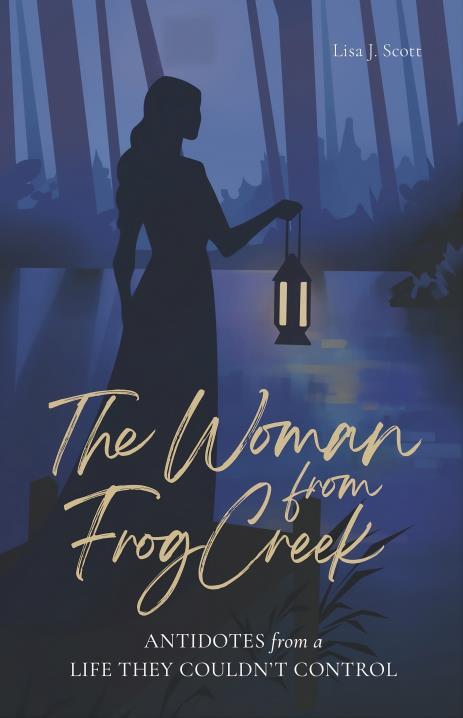
The Woman from Frog Creek: Antidotes from a Life They Couldn't Control is the first book in a trilogy examining what remains when control loosens and intuition returns. Structured as a series of antidotes rather than chapters, the book invites readers to recognize what they already know but may have forgotten.
Scott's work resists genre boundaries, blending memoir, philosophy, and reflective observation. Her writing favors clarity over instruction, resonance over rules, and continuity over conclusions. Readers often describe her work as familiar without being repetitive—something remembered rather than learned.
She lives and writes in Texas, where Frog Creek serves as both a real place and a symbolic anchor throughout her work.
Read more