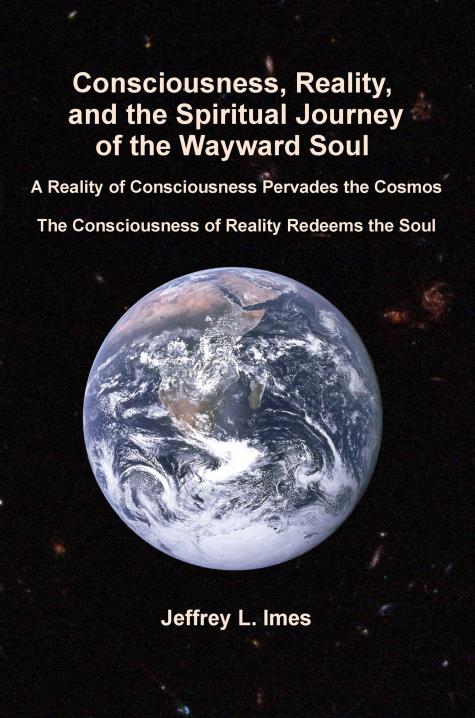

- Genre:religion
- Sub-genre:Religion & Science
- Language:English
- Pages:444
- Paperback ISBN:9781667869117

See inside
Book details
Overview
Science seeks to explain the laws of the physical universe by following a logical, repeatable method to verify and correct its observations and theories. Religion seeks to understand the spiritual relationship between man and God, the nature of the soul, and the destiny of consciousness after physical death. Scientists and religious leaders often conclude that scientific discoveries and theories conflict with spiritual concepts, such as the existence of God and the soul. Some Christian denominations expend and waste considerable spiritual energy concocting various formulations of "biblical science" from literal interpretations of the Bible to counter imagined dangers from secular science. This unnatural tension between the physical and spiritual worlds is artificial and manmade. This book uses the philosophy of the Edgar Cayce readings to show that the physical and spiritual worlds are two aspects of creation that complement each other.
Read moreDescription
Science seeks to explain the laws of the physical universe by following a logical, repeatable method to verify and correct its observations and theories. Religion seeks to understand the spiritual relationship between humanity and God, the continuity of consciousness after physical death, and the destiny of the soul. Scientists and religious leaders often conclude that scientific discoveries and theories conflict with spiritual concepts such as the existence of God and the soul. Some Christian denominations expend considerable spiritual energy concocting various formulations of "biblical science" from literal interpretations of the Bible to counter imagined dangers from secular science. This tension between physical and spiritual inquiry is artificial and manmade. The spiritual philosophy of the Edgar Cayce readings offers a framework in which science and religious thought can be understood as parts of a unified whole. This book draws on that philosophy to show that the physical and spiritual worlds are complementary aspects of creation. The readings assert that the physical universe was intentionally created by God as a causal environment in which souls may regain awareness of God through human experience and interaction.
The truth is that science and religion are complementary approaches to the study of the nature of the universe, the purpose of life, and the relationship between humanity and the divine. Over time, they will converge toward a deeper understanding of the universe and human existence. Science studies the structure and behavior of the physical universe, usually without addressing its ultimate origin or higher purpose. This book offers a way to reevaluate scientific knowledge of universal physical laws within the context of a spiritual purpose for the universe. Scripture, while valuable, can impede spiritual inquiry when interpreted in a rigid and literal manner, or when used to dismiss and disparage alternate viewpoints. For readers who feel caught between scientific understanding and religious doctrine, this book offers a path toward reconciliation and ultimately unification of science and religion. Truth is not the exclusive domain of either field of study and a more comprehensive understanding of God may be found through the integration of scientific investigation and spiritual insight.