

- Genre:fiction
- Sub-genre:Cultural Heritage
- Language:English
- Pages:151
- eBook ISBN:9781483539447
Book details
Overview
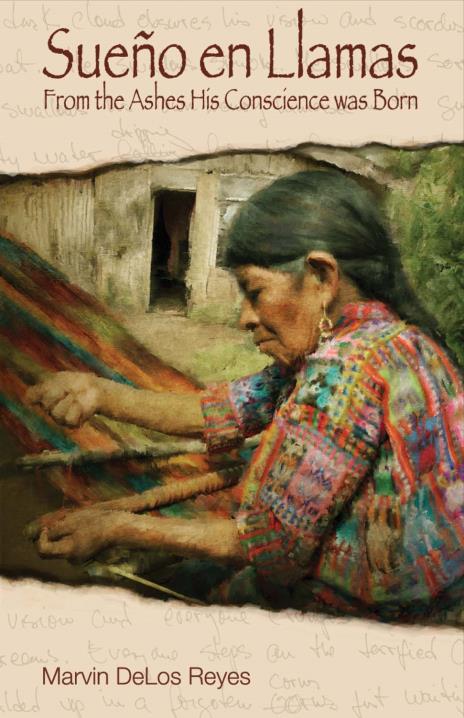
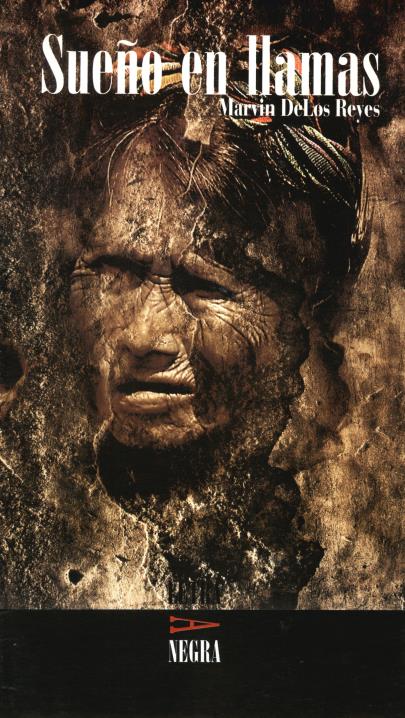
In this book the words become the path where a country’s collective memory appears. A painful recollection calls out to literature: the burning of more than thirty people in the Spaniard Embassy in Guatemala City in 1980. The terrorizing story intertwines with the tenderness of the recollection of an abuela who awaits the return of her grandchildren. The characters are archetypes of hope. It was so much the historic violence Guatemala had to live through that there is really no need for the creation of a prototype for a sinister protagonist. It was indeed devastating the life for all Guatemalans during the years of terror. Nevertheless in the words of Marvin DeLos Reyes, an abuela, two children- the mythical twins of Popol Vuh- and the friends of an immigrant to the United States are the ones who from their own wishes, rebuild hopes for the dignity of Guatemalan’s future. Sueño en llamas is our history, Guatemala’s own and is a powerful means to vindicate art, love and life. Discover in this story part of your own time.
armando rivera
Letra Negra
Translated by Marvin DeLos Reyes
Read moreDescription
To die in a fire is one of the most terrible deaths. Who would want to die with the skin and muscles in ebullition “swallowing smoke, swallowing misery, swallowing one’s own consciousness”? This happened to thirty six people the last day of January 1980 in the Spaniard Embassy in Guatemala City. If we had seen the episode, without a doubt, we would have frequent nightmares similar to the ones that hunt those who survived the years of the politics of terror with the “scorched land.” Sueño en llamas is the awakening of the creative consciousness, is the selective amnesia as a cure against the reality that burns and terrorizes us. It is the story of the street children/half slaves trapped in the claws of the urban monster and the story of the immigrant who can’t ignore the calling of his country’s own history to find himself, to find ourselves. It is the narration of the awaiting; the closing of the circle with the magic of a song in Ixil that the abuela can no longer sing. This novel tells an episode of the Central American history that we all must carry in our conscience. ‘Oh thank God, it was just a nightmare,’ we wish we could say when we wake up…
Ana Fortuny
Letra Negra
Translated by Marvin DeLos Reyes
Read more