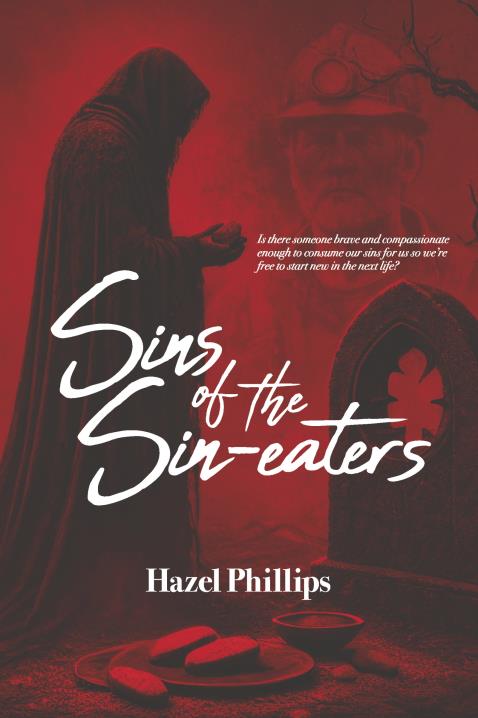


- Genre:fiction
- Sub-genre:Fantasy / Contemporary
- Language:English
- Series Title:Sin-eaters
- Series Number:1
- Pages:240
- eBook ISBN:9798897788767
Book details
Overview
If we are born without sin, shouldn't we die without sin?
Sin-eating rituals, once prevalent in England, Scotland, and Wales as far back as the 1600s, had all but vanished by the 1900s. This intriguing practice involved individuals known as Sin-eaters, who consumed food and drink to symbolically absolve the sins of the deceased, thereby ensuring their souls could find peace in the afterlife. Society ostracised yet revered Sin-eaters.
Midwife Roberta, who delivered sin-free newborns into this world, questioned whether she could assist with the sins of the dying. Undeterred by associated societal stigmas, she found herself compelled to the role of a modern Sin-eater. Her journey began in childhood, sparked by seeing a ritual following the death of her coal-mining grandfather, which had been brushed aside as "just tradition." Her bond with her blacksmith grandfather—an empathetic man who meticulously documented mining tragedies—shaped her deep sense of compassion and responsibility towards others.
Despite the unexpected financial gain from her new vocation, Roberta confronted significant moral and existential dilemmas regarding her purpose and its consequences. As she navigates these challenges, she grapples with complex themes of tradition, redemption, and the personal sacrifices that come with her unique calling.
Read moreDescription
Every one of us is born with a death sentence. Our life cycle involves continuous changes as we develop from conception to death. Our challenge is to leave behind our sins and embark on another journey. We die as we are born - naked and hopefully without our sins. But how? How do we rid ourselves of these sins? Is there a way to leave them behind? Is there someone brave and compassionate enough to consume our sins for us, granting us the freedom to start anew in the next life?
What Is Sin?
The word "sin" has been used for over a thousand years, but more recently, it has been connected to Middle English, "Sinne" or, in Old English, "Syn".
Sin has historically been linked to religious matters or moral law, but today, it is often trivialised to mean simply overindulging in desserts or drinking too much wine! This behaviour falls under acts of gluttony, which is one of Dante's seven deadly sins.
Newborns and young children carry no sins. However, as we go through life, we accumulate sins, not by our intentions but because we are subject to the pressures of our education, work, or pleasure-seeking environments. We learn to bully, to cheat, and to indulge. Our life may end when our usefulness or purpose fades.
As we approach death, the sins we have accumulated become problematic. If we do believe in any afterlife, we cannot take them with us; who in the next life would want to inherit them?
The following story explores the history of the tradition of sin-eating, what it is, how it's done, how it became a custom and whether it exists today.
Read more